International GP2 workshop brings together young researchers in genetics and bioinformatics
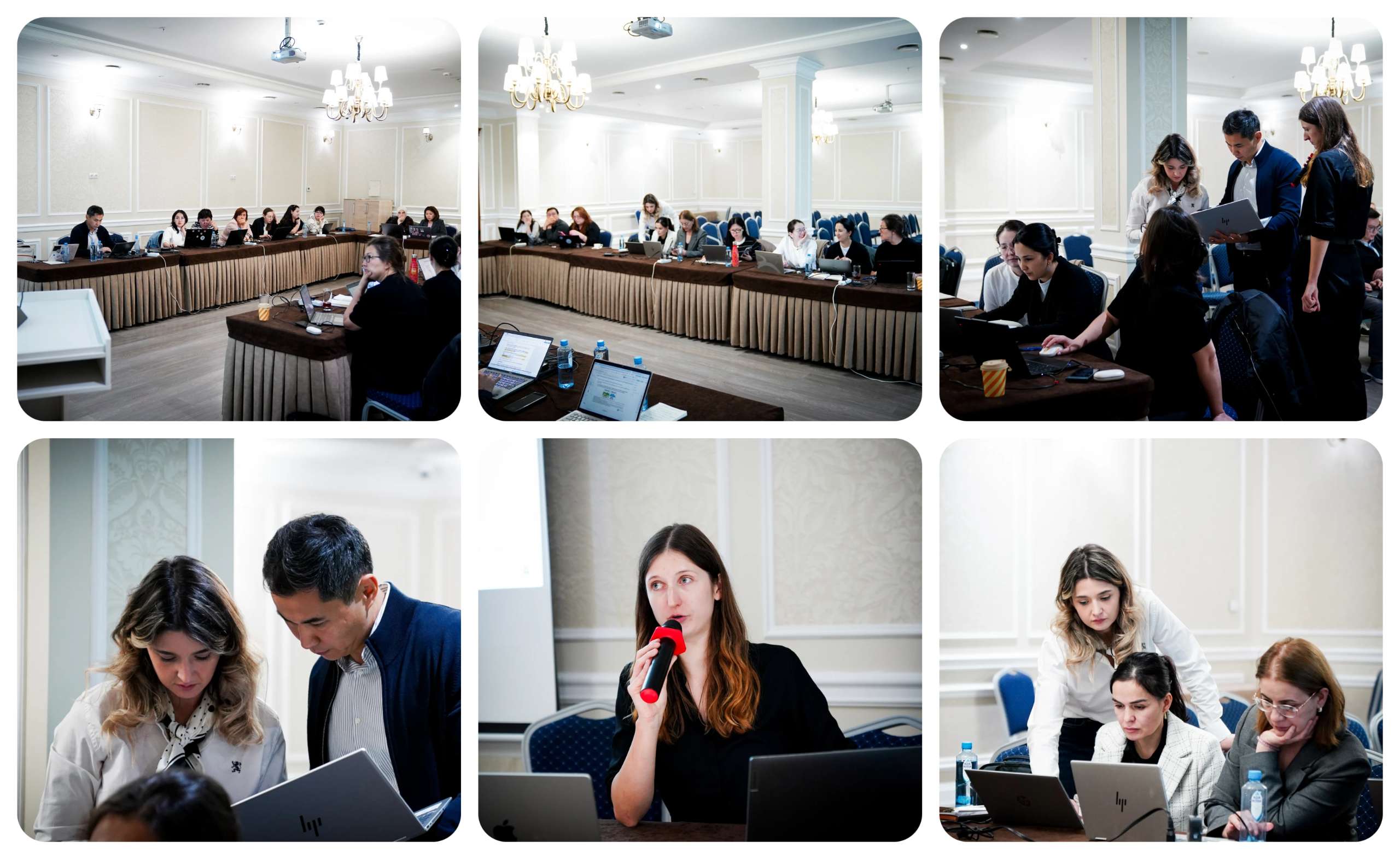
On 3–4 November 2026, a two-day practical bioinformatics workshop was held at Aidana Plaza. The workshop was organised by the South Kazakhstan Medical Academy as part of its collaboration with the international Global Parkinson’s Genetics Program (GP2).
The primary objective of the event was to develop the practical competencies of young scientists and professionals in Parkinson’s disease genetics, bioinformatics, clinical and genomic data processing, and the statistical interpretation of research findings.
On the first day, participants were introduced to the goals and principal areas of activity of GP2, current concepts in the genetics of Parkinson’s disease, its monogenic and complex forms, and the known genes and genetic variants associated with the development of the disease.
Particular emphasis was placed on practical work using the cloud-based Verily Workbench Platform. Participants learned how to create a virtual workspace, launch analytical notebooks, work with GP2 datasets, extract clinical information, and perform descriptive statistical analyses.
The first day’s programme also included training in identifying potentially significant genetic variants, using specialised databases, assessing the pathogenicity of detected variants, and applying the classification criteria of the American College of Medical Genetics and Genomics (ACMG). Participants were introduced to the structure of the GP2 genetic variant report, the CAT-PD project and its latest updates, as well as opportunities for further training within the GP2 programme.
The second day focused on advanced bioinformatics analysis. During the practical sessions, participants learned how to perform segregation analysis to identify a potentially causative genetic variant within a family, conduct univariate association analyses using GP2 clinical data, analyse correlations between genetic variants and the clinical manifestations of Parkinson’s disease, and interpret the results obtained.
Participants also analysed individual genes, compiled lists of genetic variants for association testing, and were introduced to the methodology of assessing the cumulative effect of rare variants, known as burden analysis.
The practical sessions were delivered by international GP2 specialists and instructors Rauan Bagdanovich Kaiyrzhanov, Simona Jasaityte, and Mehri Salari. The interactive format enabled participants not only to acquire theoretical knowledge but also to independently complete the main stages of bioinformatics analysis under expert guidance.
The workshop contributed to the development of international scientific collaboration, the advancement of young professionals’ research skills, and the integration of modern genomic analysis methods into Parkinson’s disease research. The knowledge acquired provides a foundation for conducting high-quality genetic studies and for the participation of academy representatives in international research projects.