International congress “Interdisciplinary neurology 2026” brings together leading experts and young scientists
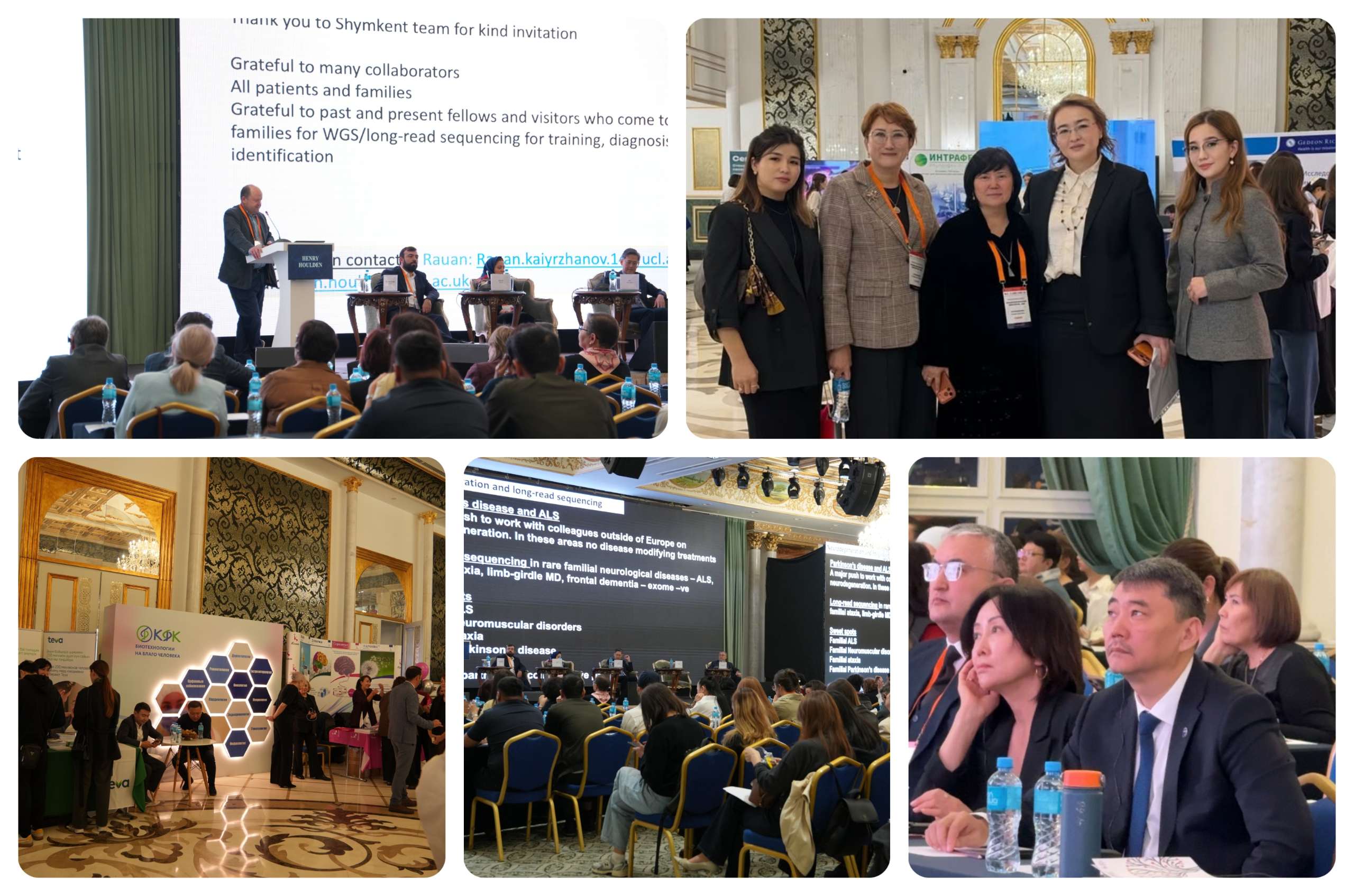
The International Congress “Interdisciplinary Neurology 2026” was held in Shymkent from 3 to 6 November 2026. This large-scale scientific and educational event brought together leading specialists in neurology, genetics, psychiatry, neurosurgery, and rehabilitation.
The Congress was held with the participation of researchers from the international Global Parkinson’s Genetics Program (GP2) and leading experts from the International Parkinson and Movement Disorder Society (MDS).
The event was organised by the South Kazakhstan Medical Academy, the International Parkinson and Movement Disorder Society, the National Academy of Sciences of the Republic of Kazakhstan under the President of the Republic of Kazakhstan, the Kazakhstan Society of Neurologists, Neurophysiologists, Neurosurgeons and Rehabilitation Specialists, and the Asia Neuro Association of Professional Neurologists of Southern Kazakhstan.
The Congress brought together national and international scientists, practising physicians, faculty members, doctoral students, residents, and medical university students. The scientific programme included plenary sessions, parallel thematic sessions, a practical bioinformatics workshop, a young scientists’ competition, clinical case discussions, and expert panel discussions.
The official opening ceremony of the Congress took place on 5 November. Representatives of the Ministry of Healthcare of the Republic of Kazakhstan, the National Academy of Sciences of the Republic of Kazakhstan, the leadership of the South Kazakhstan Medical Academy, and international professional organisations delivered welcoming remarks to the participants.
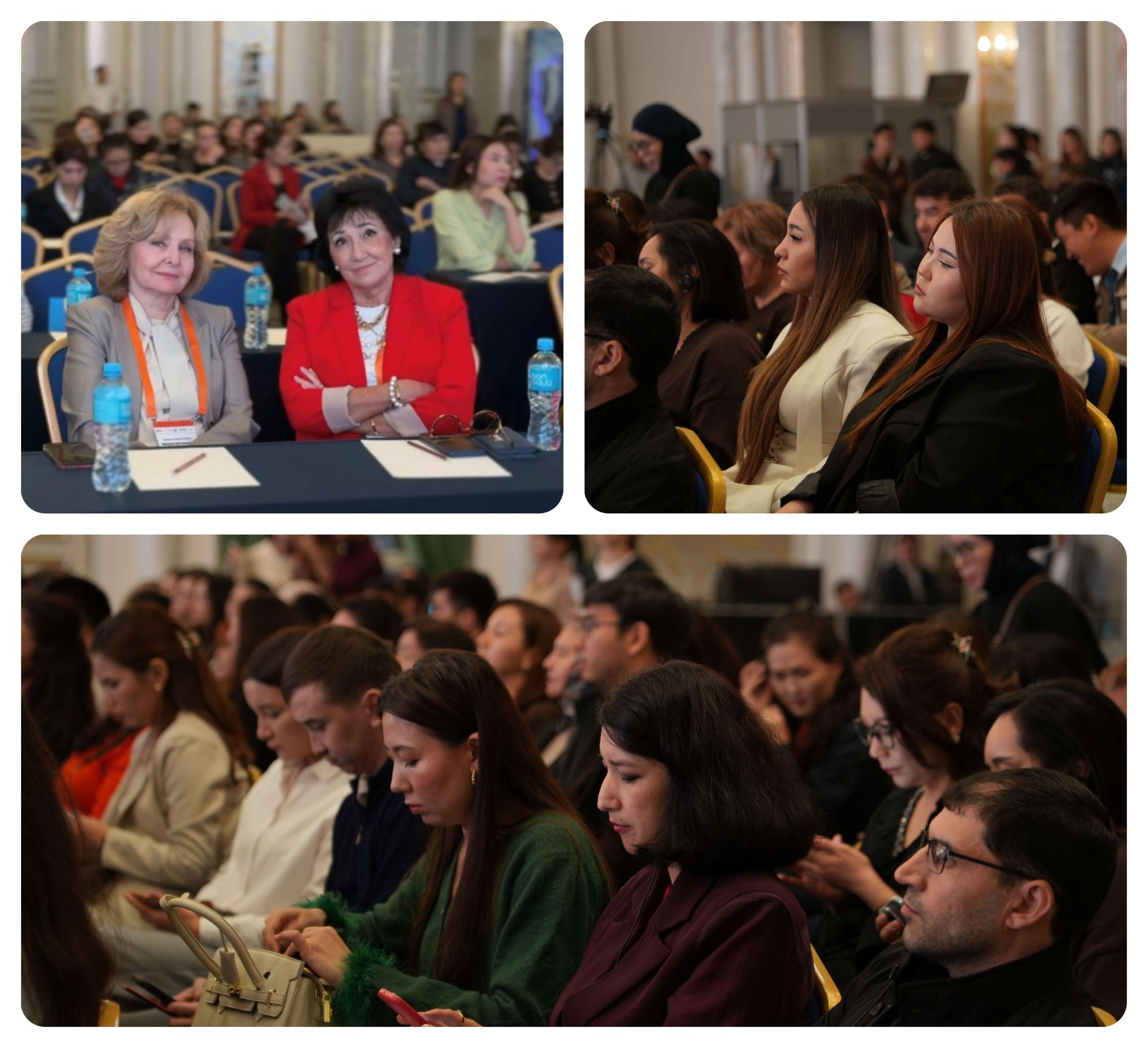
The plenary and parallel sessions focused on modern approaches to the diagnosis, treatment, and prevention of nervous system disorders. Particular attention was given to Parkinson’s disease and other movement disorders, dementia and neurodegenerative diseases, epilepsy, stroke, multiple sclerosis, neuromuscular and orphan diseases, chronic pain, dizziness, sleep disorders, mental health conditions, and neurorehabilitation.
The participation of leading international experts in Parkinson’s disease and movement disorders added particular significance to the Congress. The invited specialists included Professor Shen-Yang Lim of the University of Malaya in Kuala Lumpur, Malaysia; Professor of Neurology and Neurogenetics Henry Houlden of the UCL Queen Square Institute of Neurology in London, United Kingdom; paediatric neurologist and movement disorders specialist Juan Dario Ortigoza-Escobar of Sant Joan de Déu Hospital in Barcelona, Spain; and Associate Professor of Neurology Mehri Salari of Shahid Beheshti University of Medical Sciences in Tehran, Iran.
The international experts presented the latest scientific evidence on the genetics and molecular mechanisms of neurodegenerative diseases, progressive supranuclear palsy, atypical parkinsonism, and rare and complex movement disorders. Professor Shen-Yang Lim conducted specialised training sessions on the use of MDS diagnostic tools in Parkinson’s disease, multiple system atrophy, and progressive supranuclear palsy.
The presentations by international specialists were complemented by clinical case discussions, professional debates, and consideration of opportunities to incorporate international recommendations into physicians’ everyday clinical practice. A dedicated educational session introduced MDS professional training and fellowship programmes. Young neurologists shared their experiences of participating in the Society’s international educational and fellowship programmes. This enabled participants to learn about opportunities for continuing professional development, research fellowships, and further collaboration with leading international centres. The participation of MDS experts ensured the high international standard of the scientific programme and created opportunities for knowledge exchange, discussion of complex clinical cases, and the development of long-term professional collaboration.
Genetics and personalised medicine featured prominently in the programme. Experts presented current evidence on the genetic factors associated with Parkinson’s disease, the molecular mechanisms of neurodegeneration, the potential of genomic analysis, and the prospects for using biomarkers in clinical practice. Sessions on movement disorders covered modern methods for diagnosing and treating Parkinson’s disease, tremor, dystonia, tics, and other hyperkinetic disorders. Specialists discussed the potential applications of botulinum toxin therapy, deep brain stimulation, transcranial magnetic stimulation, physiotherapy, and comprehensive patient rehabilitation.
Dedicated scientific sessions addressed cerebrovascular disorders. Participants considered modern strategies for stroke prevention and treatment, including thrombolytic therapy, endovascular interventions, early neurorehabilitation, and the recovery of motor and cognitive functions.
The paediatric neurology programme covered the diagnosis and treatment of epilepsy, neuromuscular and hereditary diseases, autism spectrum disorders, developmental disorders, and rare neurological syndromes. The interdisciplinary format brought together the expertise of neurologists, paediatricians, geneticists, psychiatrists, rehabilitation specialists, and other healthcare professionals.
An important part of the Congress was the young scientists’ competition, which involved students, residents, master’s students, and doctoral students from Kazakhstan, Uzbekistan, and the Russian Federation. The young researchers presented the findings of their scientific studies and clinical cases, and the best presentations were awarded diplomas.
The Congress also included a two-day GP2 practical workshop on bioinformatics. Participants gained practical skills in working with international clinical and genetic data, conducting segregation and association analyses, investigating individual genes, and interpreting genetic variants.
The clinical case discussions held in the Grand Rounds format were of particular practical value. They enabled participants to examine complex diagnostic cases in detail, compare different approaches to patient management, and receive recommendations from international experts.
The comprehensive Congress programme created a productive environment for professional dialogue, the exchange of clinical experience, and discussions on prospects for collaborative research. Participants were able to establish new scientific contacts, learn about advanced diagnostic and therapeutic technologies, and identify areas for further international cooperation.
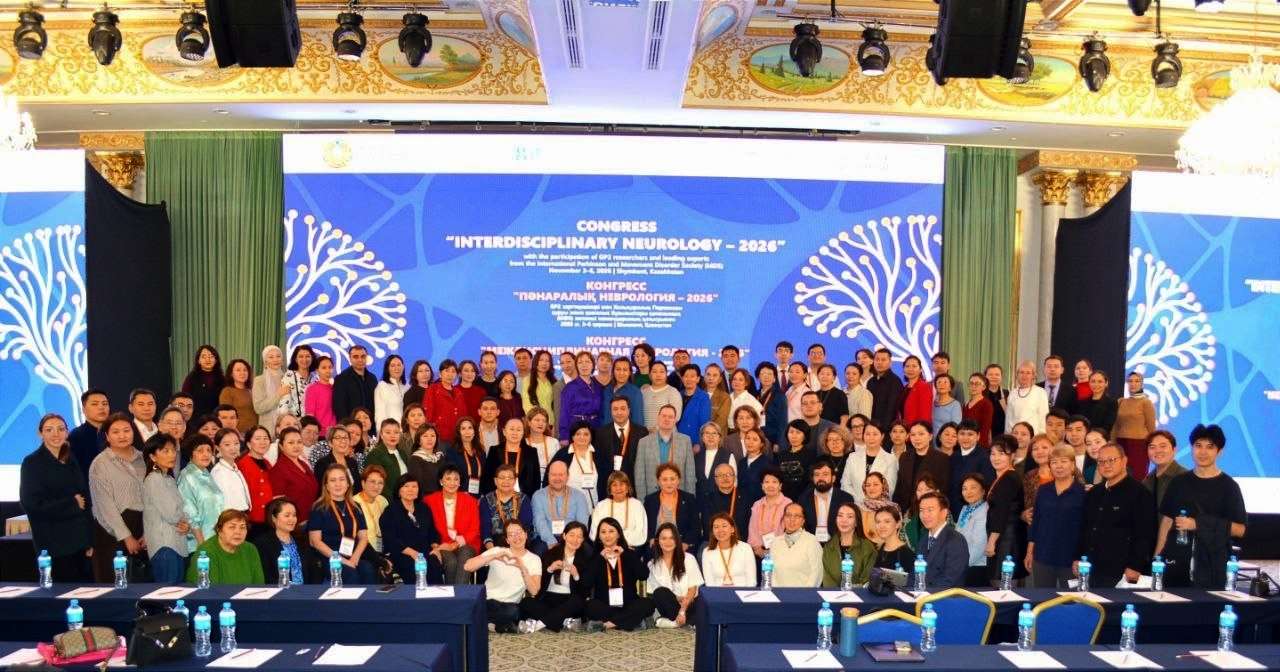
The International Congress “Interdisciplinary Neurology 2026” became a significant event for the medical and scientific community. The event strengthened the position of the South Kazakhstan Medical Academy as a platform for advancing international academic partnerships, supporting young scientists, and integrating modern scientific achievements into medical education and clinical practice.