Department of family medicine
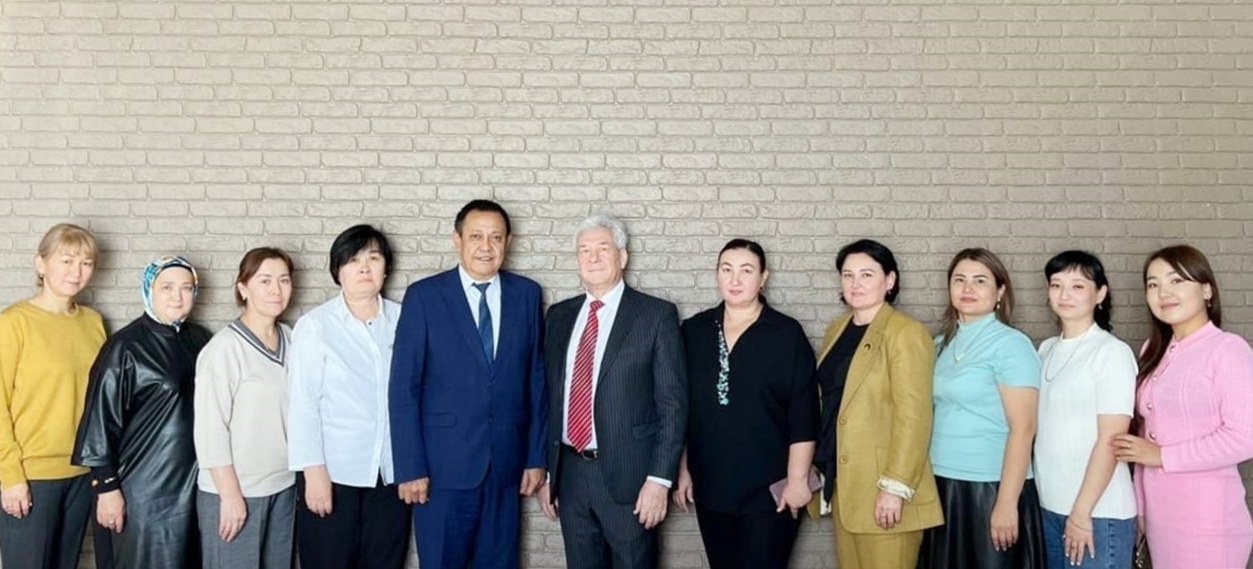
History of the Department
The Department of Family Medicine was established in accordance with Order No. 720 of the Rector of South Kazakhstan Medical Academy JSC dated 28 August 2019 and Order No. ҚР ДСМ-89 of the Minister of Healthcare of the Republic of Kazakhstan dated 31 May 2019, “On Amendments and Additions to Order No. 27 of the Minister of Healthcare of the Republic of Kazakhstan dated 30 January 2008 ‘On Approval of the List of Clinical Specialties for Training in Internship and Residency Programmes.’”
Purpose of the Department
The primary purpose of the Department is to train competitive medical professionals who possess well-developed clinical reasoning, professional competencies and research skills, are committed to continuous professional development, and are capable of providing safe, high-quality, patient-centred medical care.
In accordance with modern requirements for medical education and the principles of evidence-based medicine, the Department systematically develops students’ and residents’ theoretical knowledge, practical and clinical skills, professional communication, ability to apply evidence-based medicine principles, and capacity to make independent clinical decisions through the integration of clinical practice and research activities.
Key Areas of the Department’s Activities
Ensuring high-quality education — providing interns and residents with comprehensive training in the fundamentals of family medicine and methods for disease prevention, diagnosis and treatment, as well as developing and improving their theoretical knowledge and practical skills.
Developing clinical competence — fostering clinical reasoning and the competencies required to provide medical care focused on prevention, early diagnosis, treatment and rehabilitation, taking into account each patient’s individual characteristics, family circumstances and social environment.
Implementing the principles of evidence-based medicine — teaching learners to use current scientific evidence, clinical protocols and medical technologies effectively when making clinical decisions.
Strengthening integration with practical healthcare — aligning the educational process with the actual needs of healthcare organisations and ensuring effective cooperation with clinical training sites.
Applying innovative educational technologies — incorporating simulation-based training, digital technologies, clinical case analysis and other modern teaching methods into the educational process.
Developing research activities — creating conditions for conducting research on relevant issues in family medicine and internal medicine and for implementing research findings in practical healthcare.
Fostering professional ethics and responsibility — establishing the principles of medical ethics, deontology, respect for patients’ rights and professional responsibility as the foundation of students’ professional practice.
Promoting continuous professional development — encouraging students to pursue self-directed learning, continuously improve their professional competencies and keep abreast of the latest advances in medicine.
Research Activities of the Department
The Department’s research activities focus on the scientific study of current issues in primary healthcare, internal medicine specialties and preventive medicine; improving the quality and effectiveness of medical care; implementing the principles of evidence-based medicine in clinical practice; and integrating research findings into the educational process.
The Department’s academic staff participate in national and international scientific conferences by presenting reports and publishing research papers. Students are involved in the Department’s research projects, clinical studies, scientific and practical conferences, seminars and the preparation of scientific publications. Through these activities, they acquire skills in the scientific analysis of clinical problems, the search for and critical appraisal of evidence-based information, and the implementation of research findings in clinical practice.
Clinical Activities of the Department
The Department’s clinical activities are aimed at providing patients with modern, high-quality, safe and patient-centred medical care, improving diagnostic and treatment processes, and developing interns’ and residents’ practical and professional competencies at clinical training sites.
The Department’s clinical training sites include Shymkent City Polyclinics No. 1, No. 8 and No. 13, the Ai-Nury Medical Centre and the Regional Cardiology Centre.
During clinical practice, residents are provided with opportunities to apply their theoretical knowledge in real clinical settings, develop their clinical reasoning and make medical decisions in accordance with the principles of evidence-based medicine.
The Department’s academic staff conduct educational seminars and master classes for physicians. They also provide regular medical consultations to patients from the city and the region.
Contacts


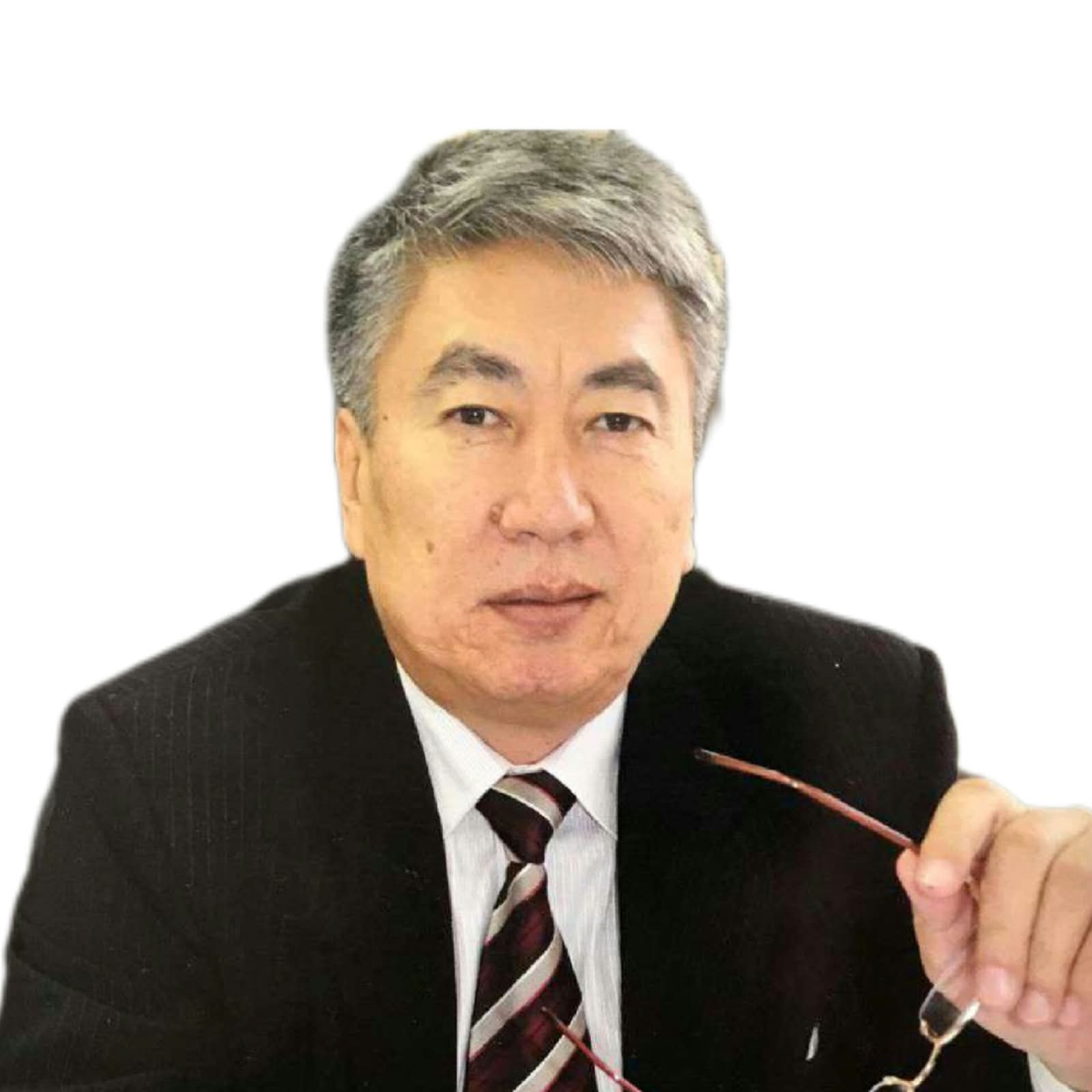
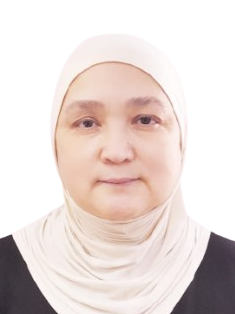
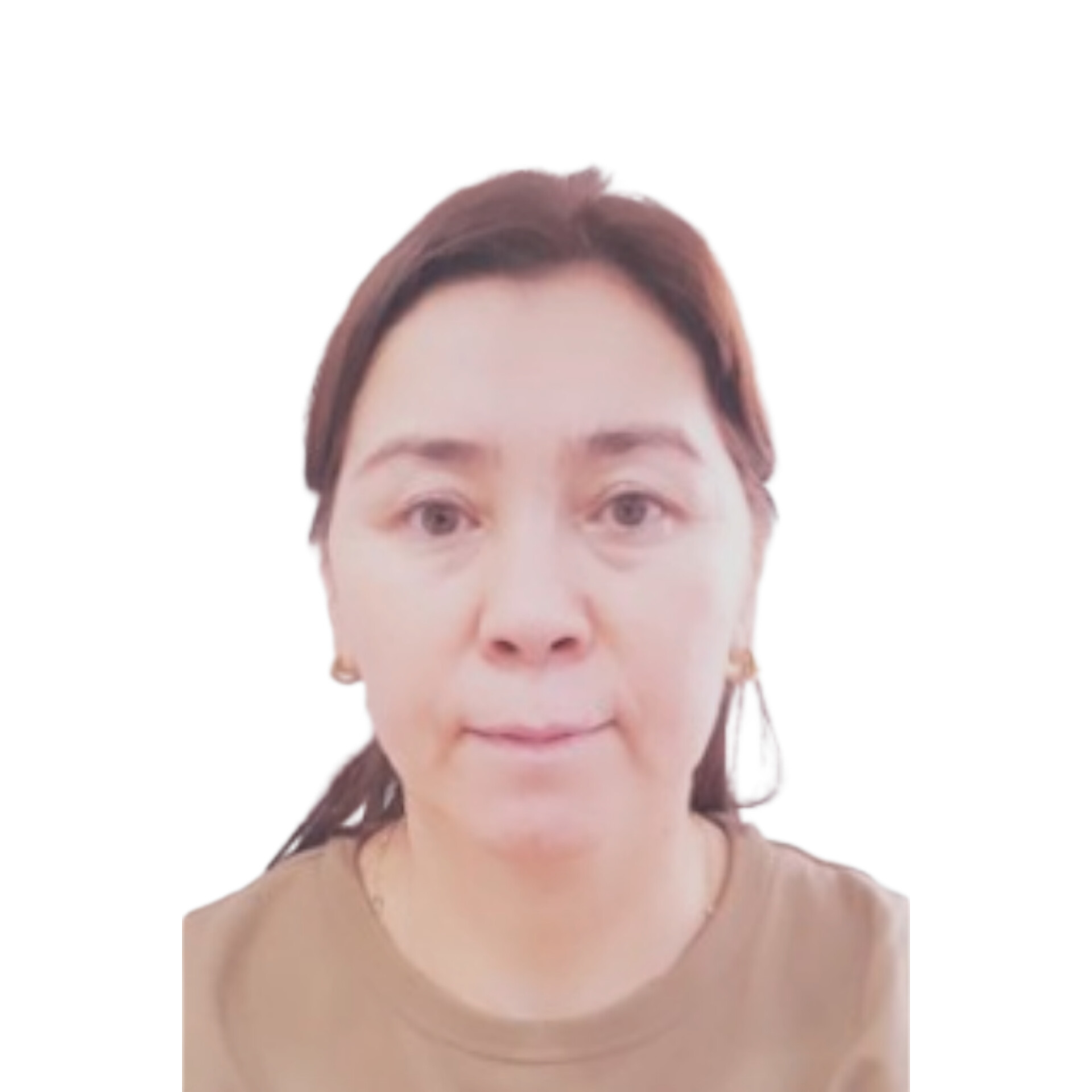
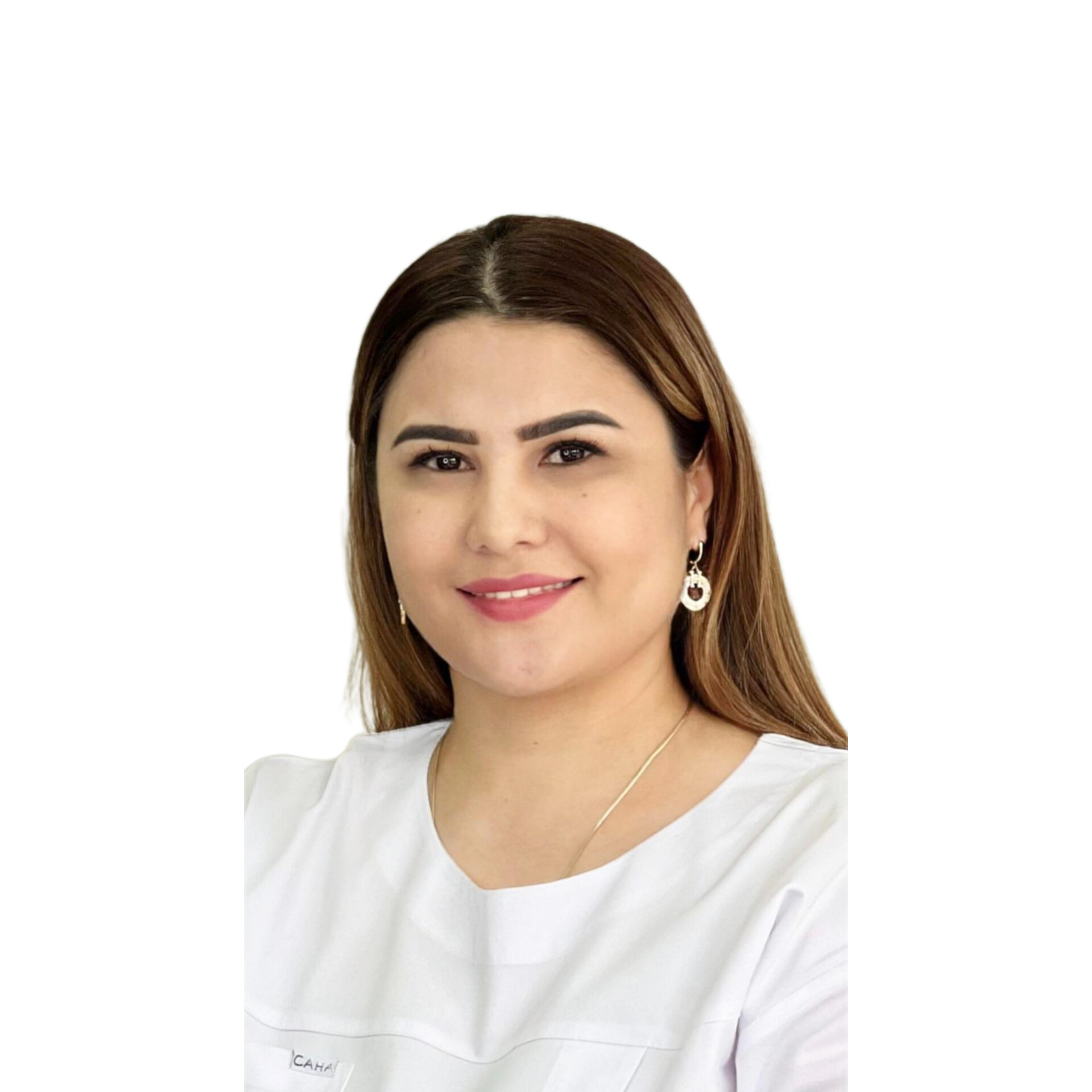

Internship program
IN ENGLISH 2024-2025
CMD 2025-2026
- БӨҚ. «Аллергология және иммунология» 6В10120 Терапия 6 курс. АБ-1.каз.pdf.pdf
- БӨҚ. «Аллергология және иммунология» 6В10120 Терапия 6 курс. АБ-2. каз.pdf.pdf
- БӨҚ. «Аллергология және иммунология» 6В10120 Терапия 6 курс. Емтихан.каз.pdf.pdf
- БӨҚ. «Гастроэнтерология» 6В10120 Терапия 6 курс. АБ-1.каз.pdf.pdf
- БӨҚ. «Гастроэнтерология» 6В10120 Терапия 6 курс. АБ-2.каз.pdf.pdf
- БӨҚ. «Гастроэнтерология» 6В10120 Терапия 6 курс. Емтихан.каз.pdf.pdf
- БӨҚ. «Пульмонология» 6В10120 Терапия 6 курс. АБ-1.каз.pdf.pdf
- БӨҚ. «Пульмонология» 6В10120 Терапия 6 курс. АБ-2.каз.pdf.pdf
- БӨҚ. «Пульмонология» 6В10120 Терапия 6 курс. Емтихан.каз.pdf.pdf
- БӨҚ. «Эндокринология» 6В10120 Терапия 6 курс. АБ-1.каз.pdf.pdf
- БӨҚ. «Эндокринология» 6В10120 Терапия 6 курс. АБ-2.каз.pdf.pdf
- БӨҚ. «Эндокринология» 6В10120 Терапия 6 курс.Емтихан.каз.pdf.pdf
Syllabuses 2024-2025
- Силлабус «Амбулаторно-поликлиническая педиатрия» 6В10101 ОМ. 6 курс..pdf
- Силлабус «Амбулаториялық - емханалық педиатрия» 6В10101 ОМ. 6 курc..pdf
- Силлабус «Амбулаториялық-емханалық терапия» 6В10101 ОМ. 6 курс ..pdf
- Силлабус «Амбулаторлық - емханалық кардиология» 6В10101 ОМ. 6 курс..pdf
- Силлабус «Амбулаторно - поликлиническая кардиология» 6В10101 ОМ. 6 курс..pdf
- Силлабус «Амбулаторно-поликлиническая терапия» 6В10101 ОМ. 6 курс ..pdf
- Силлабус «Превентивная педиатрия» 6В10101 ОМ. 6 курс..pdf
- Силлабус «Превентивті педиатрия» 6В10101 ОМ. 6 курс..pdf
Syllabuses 2025-2026
- Силлабус « Clinical electrocardiography» 6В10120 Терапия 6к.pdf.pdf
- Силлабус « ЖТД-гі ішкі аурулар» 6В10101 «Жалпы медицина» 7 курс каз.pdf.pdf
- Силлабус «Geriatrics in General Practitioner Practice» 6В10101 «Общая медицина» 7 курс.pdf.pdf
- Силлабус ««ЖТД практикасындағы гериатрия» » 6В10101 «Жалпы медицина» 7 курс посл (pdf.io).pdf
- Силлабус «Аллергология және иммунология» 6В10120 Терапия 6 курс.каз.pdf.pdf
- Силлабус «Внутренние болезни в ОВП» 6В10101 «Общая медицина» 7 курс рус.pdf.pdf
- Силлабус «Гастроэнтерология» 6В10120 Терапия 6 курс каз.pdf.pdf
- Силлабус «Гематология» 6В10120 Терапия 6 курс каз.pdf.pdf
- Силлабус «Гематология» 6В10120 Терапия 6 курс рус.pdf.pdf
- Силлабус «Гериатрия в практике ВОП» 6В10101 «Общая медицина» 7 курс рус.pdf.pdf
- Силлабус «Кардиология» 6В10120 Терапия 6 курс каз.pdf.pdf
- Силлабус «Кардиология» 6В10120 Терапия 6 курс рус.pdf.pdf
- Силлабус «Клиникалық ЭКГ» 6В10120 Терапия 6 курс каз.pdf.pdf
- Силлабус «Нефрология» 6В10120 Терапия 6 курс рус.pdf.pdf
- Силлабус «Пульмонология » 6В10120 Терапия 6 курс каз.pdf.pdf
- Силлабус «Ревматология» 6В10120 Терапия 6 курс каз.pdf.pdf
- Силлабус «Ревматология» 6В10120 Терапия 6 курс рус.pdf.pdf
- Силлабус «Эндокринология» 6В10120 Терапия 6 курс каз.pdf.pdf
- Силлабус «Эндокринология» 6В10120 Терапия 6 курс рус.pdf.pdf
Residency program
CMD 2024-2025
CMD 2025-2026
- БӨҚ. «Амбулаториялық емханалық терапия» 7R01102 - «ТЕРАПИЯ» 1к.каз..pdf
- БӨҚ. «Амбулаториялық оториноларингология» 7R01138 «ОТБАСЫ МЕДИЦИНАСЫ» 1к. каз..pdf
- БӨҚ. «Амбулаториялық офтальмология» 7R01138 «ОТБАСЫ МЕДИЦИНАСЫ» 1к. каз..pdf
- БӨҚ. «Амбулаториялық травматология» 7R01138 «ОТБАСЫ МЕДИЦИНАСЫ» 1к. каз..pdf
- БӨҚ. «Амбулаториялық хирургия» 7R01138 «ОТБАСЫ МЕДИЦИНАСЫ» 1к. каз..pdf
- БӨҚ. «Отбасылық дәрігер тәжірибесіндегі дерматология және венерология мәселелері» 7R01138 «ОТБАСЫ МЕДИЦИНАСЫ» 1к. каз..pdf
- БӨҚ. «Отбасылық дәрігер тәжірибесіндегі онкология мәселелері» 7R01138 «ОТБАСЫ МЕДИЦИНАСЫ» 1к. каз..pdf
- БӨҚ. «Отбасылық дәрігер тәжірибесіндегі фтизиатрия мәселелері» 7R01138 «ОТБАСЫ МЕДИЦИНАСЫ» 1к. каз..pdf
- БӨҚ. «Отбасылық медицина» 7R01138 «ОТБАСЫ МЕДИЦИНАСЫ» 1к. каз..pdf
Syllabuses 2023-2024
- Силлабус «Амбулаторно-поликлиническая терапия» 1г.рус.pdf
- Силлабус «Стационарная терапия» 1г.каз.pdf
- Силлабус «Стационарная терапия» 1г.рус.pdf
- Силлабус СМ.Ішкі аурулар.pdf
- Силлабус. Амбул-қ оториноларингология. ББ 7R01138 ОТБАСЫЛЫҚ МЕДИЦИНА.1 курс. каз..pdf
- Силлабус. Амбул-қ травматология. ББ 7R01138 ОТБАСЫЛЫҚ МЕДИЦИНА. 1 курс. каз.pdf
- Силлабус. Амбул. акушерлік және гинекология. ББ 7R01138 ОТБАСЫЛЫҚ МЕДИЦИНА. 2 курс. каз..pdf
- Силлабус. Амбулаториялық офтальмология. ББ 7R01138 ОТБАСЫЛЫҚ МЕДИЦИНА. 1 курс. каз.pdf
- Силлабус. Амбулаториялық педиатрия. ББ 7R01138 ОТБАСЫЛЫҚ МЕДИЦИНА. 2 курс. каз.pdf
- Силлабус. Амбулаторлық хирургия ББ 7R01138 ОТБАСЫЛЫҚ МЕДИЦИНА. 1 курс. каз..pdf
- Силлабус. Диетология. ББ 7R01138 ОТБАСЫЛЫҚ МЕДИЦИНА. 1курс. каз.pdf
- Силлабус. Отбас дәрігер тәж-гі псих. денсаулық мәсел-і. ББ 7R01138 ОТБАСЫЛЫҚ МЕДИЦИНА. 1курс. каз.pdf
- Силлабус. Отбасы дәрігер тәж-гі невр мәселе. ББ 7R01138 ОТБАСЫЛЫҚ МЕДИЦИНА. 1 курс. каз.pdf
- Силлабус. Отбасы дәрігер тәж-гі онкол мәселе. ББ 7R01138 ОТБАСЫЛЫҚ МЕДИЦИНА. 1 курс. каз.pdf
- Силлабус. Отбасы дәрігер тәж-гі фтизиатрия мәселе-і. ББ 7R01138 «ОТБАСЫЛЫҚ МЕДИЦИНА. 1 курс. каз.pdf
- Силлабус. Отбасылық дәрігер тәж-гі дерматология және венерология мәселе. ББ 7R01138 ОТБАСЫЛЫҚ МЕДИЦИНА. 1 курс. каз..pdf
- Силлабус. Отбасылық медицина. ББ 7R01138 ОТБАСЫЛЫҚ МЕДИЦИНА. 1 курс. каз..pdf
- Силлабус. Паллиативтік медицина ББ 7R01138 ОТБАСЫЛЫҚ МЕДИЦИНА. 2 курс. каз..pdf
- Силлабус. Тиісті клиникалық тәжірибе. ББ 7R01138 ОТБАСЫЛЫҚ МЕДИЦИНА. 1 курс. каз..pdf
- Силлабус. Шұғыл медицина. ББ 7R01138 ОТБАСЫЛЫҚ МЕДИЦИНА. 1 курс. каз..pdf
Syllabuses 2024-2025
- Силлабус. «Клиникалық ЭКГ» ББ 7R01139 Терапия . 2 курс...pdf
- Силлабус. Ішкі аурулар. ББ 7R01138 ОТБАСЫЛЫҚ МЕДИЦИНА. 2 курс.pdf
- Силлабус. Ішкі аурулар. ББ 7R01138. 2 курс.pdf
- Силлабус. Амбул акушер ж гинекол. ББ 7R01138. 2 курс.pdf
- Силлабус. Амбул педиатрия. ББ 7R01138. 2 курс.pdf
- Силлабус. Амбулаториялық акушерлік және гинекология ББ 7R01138 ОТБАСЫЛЫҚ МЕДИЦИНА. 2 курс.pdf
- Силлабус. Амбулаториялық емханалық терапия ББ 7R01137 Терапия 2 курс. каз.pdf
- Силлабус. Амбулаториялық педиатрия. ББ 7R01138 ОТБАСЫЛЫҚ МЕДИЦИНА. 2 курс.pdf
- Силлабус. Ауруханадағы терапия ББ 7R01137 Терапия 2 курс. каз.pdf
- Силлабус. Паллиат медицина ББ 7R01138. 2 курс.pdf
- Силлабус. Паллиативтік медицина ББ 7R01138 ОТБАСЫЛЫҚ МЕДИЦИНА. 2 курс. каз.pdf
- Силлабус. Шұғыл медицина ББ 7R01139 Терапия . 2 курс. каз..pdf
Syllabuses 2025-2026
- Силлабус Амбулаторлық емханалық терапия 7R01139 «Терапия» 1 курс.pdf
- Силлабус Ауруханадағы терапия 7R01139 «Терапия» 1курс.pdf
- Силлабус Отбасылық дәрігер тәжірибесіндегі фтизиатрия мәселелері. ББ 7R01138. 1курс.pdf
- Силлабус. Амбулаториялық офтальмология. 7R01138 Отбасылық медицина. 1 курс.pdf
- Силлабус. Амбулаторлық оториноларингология .7R01138 Отбасылық медицина. 1 курс.pdf
- Силлабус. Амбулаторлық травматология.7R01138 ОТБАСЫЛЫҚ МЕДИЦИНА.1 курс.pdf
- Силлабус. Амбулаторлық хирургия ББ 7R01138 ОТБАСЫЛЫҚ МЕДИЦИНА. 1 курс.pdf
- Силлабус. Диетология. 7R01138 ОТБАСЫЛЫҚ МЕДИЦИНА. 1курс.pdf
- Силлабус. Отбасы дәрігер тәжірибесіндегігі неврология мәселелері. ББ 7R01138. 1 курс.pdf
- Силлабус. Отбасылық дәрігер тәжіриб дерматол ж венерол мәселе. ББ 7R01138. 1 курс.pdf
- Силлабус. Отбасылық дәрігер тәжіриб онкология мәселе. ББ 7R01138. 1 курс.pdf
- Силлабус. Отбасылық дәрігер тәжіриб психикалық денсаулық мәселе. ББ 7R01138. 1курс.pdf
- Силлабус. Отбасылық медицина 7R01138 «ОТБАСЫЛЫҚ МЕДИЦИНА».1 курс.pdf
- Силлабус. Тиісті клиникалық тәжірибе 7R01138 ОТБАСЫЛЫҚ МЕДИЦИНА. 1 курс.pdf
- Силлабус. Шұғыл медицина. 7R01138 ОТБАСЫЛЫҚ МЕДИЦИНА.1 курс.pdf